
Telemedicine has transformed healthcare delivery, offering an accessible way for patients and healthcare providers to connect through digital means. With the increasing demand for remote healthcare, telemedicine app development services have become essential for healthcare institutions seeking to provide virtual consultations, manage patient data, and ensure timely medical care without requiring physical visits.
In this article, we will provide a detailed breakdown of telemedicine software development as seen through the lens of industry experts. We’ll explore core features, types of telemedicine applications, and the essential technologies and considerations for creating a secure, user-friendly, and effective telemedicine solution.
Why Telemedicine is Essential for Modern Healthcare
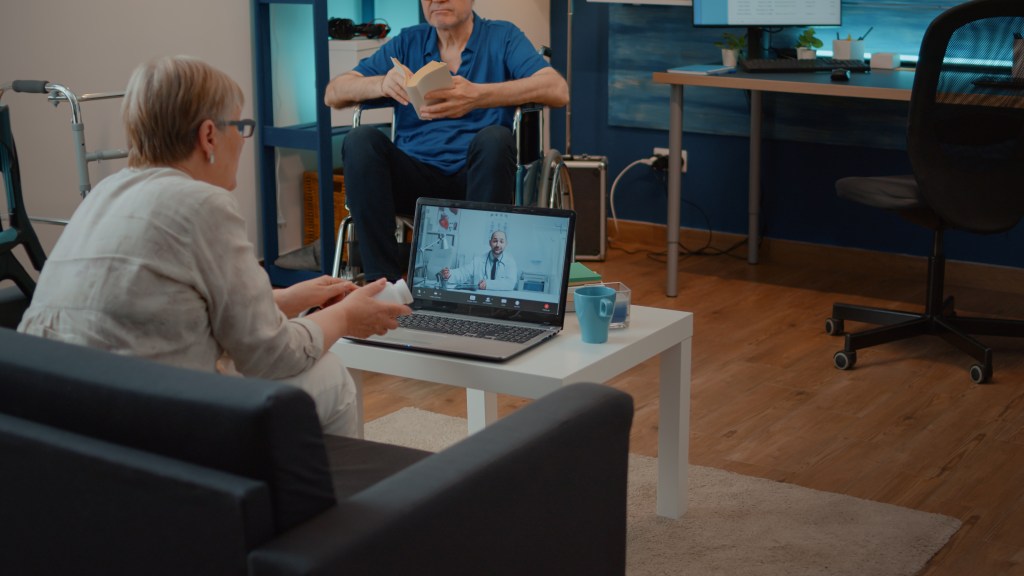
Telemedicine offers a multitude of advantages for both healthcare providers and patients. By reducing travel time and wait times, telemedicine empowers patients to access quality healthcare from the comfort of their homes. This is particularly beneficial for individuals in remote areas or those with mobility challenges. Additionally, telemedicine can enhance patient engagement by enabling frequent check-ins and personalized care plans.
The COVID-19 pandemic accelerated the adoption of telemedicine, highlighting its potential to transform healthcare delivery. As a result, there has been a surge in demand for telemedicine app development services and telemedicine software development services. These services enable healthcare providers to offer virtual consultations, remote monitoring, and online prescriptions, ultimately improving patient outcomes and streamlining healthcare operations.
Types of Telemedicine App Development Services
Different types of telemedicine app development serve various purposes, and selecting the right one depends on the specific needs of healthcare providers and patients. Here’s an overview:
- Real-Time Consultation Apps: These apps offer live video consultations, allowing doctors and patients to interact as they would in a traditional visit.
- Remote Patient Monitoring (RPM) Apps: Ideal for chronic disease management, these apps use IoT devices to track patient health metrics like heart rate and blood pressure remotely.
- Store-and-Forward Telemedicine Apps: In these apps, patient data (such as medical images and reports) is collected and sent to healthcare professionals for diagnosis, useful in fields like dermatology and radiology.
- Telemedicine for Emergency Response: These apps are used for triage and initial emergency consultations, helping patients receive timely advice and guidance.
- Telepsychiatry Apps: These apps are specialized for mental health consultations and therapy sessions, offering video calls and chat features tailored for psychiatric care.
Each app type has its own set of development requirements, functionalities, and regulatory considerations.
Core Features for Telemedicine Software Development
To provide comprehensive and effective telemedicine software development, several essential features need to be incorporated into the app:
- User Registration and Profiles: Enable patients and doctors to create profiles, add personal and medical details, and set up access preferences.
- Video and Audio Consultation: Secure, high-quality video and audio functions are essential for real-time consultations.
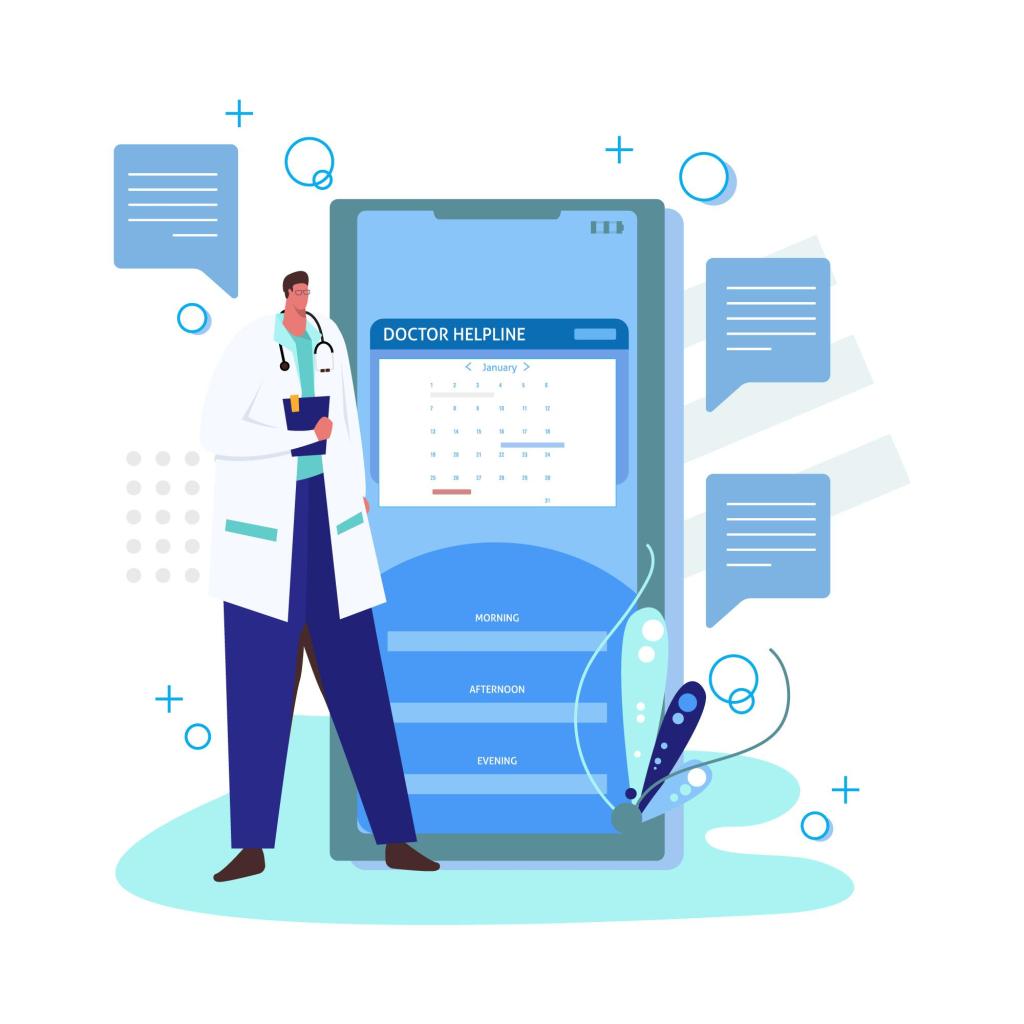
- Scheduling and Appointment Management: Patients should be able to book, reschedule, or cancel appointments through a calendar integrated with notification systems.
- EHR (Electronic Health Record) Integration: Integrating EHR ensures that doctors have access to patient medical histories and can provide more informed care.
- Prescription Management: The app should support e-prescriptions, enabling doctors to send prescriptions directly to patients or pharmacies.
- Payment Integration: A secure payment gateway allows patients to pay for consultations and other services within the app.
- Messaging and Notifications: In-app chat and notification systems facilitate seamless communication and remind users of upcoming appointments.
- Multi-language Support: Multilingual options cater to a diverse user base, especially in multicultural regions.
- Admin Panel: For managing users, appointments, payments, and accessing analytics to understand usage patterns and improve services.
These features collectively enhance the user experience and streamline the consultation process, ensuring that healthcare providers and patients can efficiently communicate.
Technologies Used in Telemedicine App Development
The development of a telemedicine app requires a blend of different technologies to provide a secure, scalable, and efficient solution.
- Video Conferencing APIs: High-quality video streaming is central to telemedicine. APIs like Twilio and WebRTC facilitate real-time video calls.
- Cloud Storage: Cloud services such as AWS or Google Cloud are necessary for securely storing patient records and managing data.
- Artificial Intelligence: AI assists in automating diagnosis, improving patient triage, and powering chatbots for 24/7 support.
- IoT for Remote Monitoring: IoT devices enable real-time monitoring of patients with chronic conditions, transmitting data like heart rate and blood pressure.
- Blockchain: Blockchain technology ensures data security and transparency by creating immutable records of all transactions and interactions.
- Data Encryption and Security: Following HIPAA and GDPR compliance, encryption protocols secure sensitive patient data.
The Development Process for Telemedicine Apps
Developing a telemedicine app involves several stages, each crucial to delivering a robust and reliable solution. Here’s a step-by-step look at how experts recommend approaching the development process:
- Market Research and Planning: Understanding your target audience and healthcare providers’ needs is vital for creating a solution that will be widely adopted.
- Defining Core Features and Functionalities: Identify the essential features based on the app type and user needs.
- UI/UX Design: User-friendly, accessible design is crucial to ensure easy navigation for users of all technical abilities.
- Backend Development: Establishing a strong backend infrastructure ensures secure data storage and smooth operation.
- API Integration: APIs for video, payment processing, and EHR are essential to create a cohesive experience.
- Testing and Quality Assurance: Rigorous testing ensures that the app is functional, secure, and offers a seamless user experience.
- Compliance with Regulations: Telemedicine apps must adhere to healthcare laws such as HIPAA (in the US) and GDPR (in Europe), ensuring data protection and privacy.
- Launch and Post-Launch Support: Launching the app with marketing support and user education, followed by ongoing updates and improvements.
Each stage involves collaboration between developers, healthcare experts, and regulatory advisors to ensure the final product meets industry standards.
Ensuring Security and Compliance in Telemedicine App Development
Ensuring security and compliance is paramount in telemedicine app development and telemedicine software development services. To safeguard sensitive patient data and adhere to regulatory standards, several measures must be implemented. Robust security protocols, such as encryption, secure authentication, and access controls, should be in place to protect patient information.
Additionally, compliance with data privacy regulations like HIPAA and GDPR is essential to maintain trust and avoid legal repercussions. Regular security audits and vulnerability assessments can help identify and address potential security risks. By prioritizing security and compliance, telemedicine app development services can build trust with patients and healthcare providers, ensuring the safe and effective delivery of telemedicine services.
Future Trends in Telemedicine App Development
Telemedicine is evolving, and experts predict that several innovations will shape the future of telemedicine apps:
- Virtual Reality (VR): VR can enhance the patient experience by enabling virtual consultations in a more immersive setting.
- Augmented Reality (AR): AR is expected to assist doctors in remotely diagnosing and visualizing patient conditions.
- Predictive Analytics: Machine learning algorithms will enable predictive healthcare by analyzing patient data to anticipate health issues.
- Wearable Integration: Wearable devices will continue to gain traction, allowing doctors to monitor patients’ vital signs and intervene when necessary.
- Voice Recognition and AI Chatbots: Voice-enabled AI chatbots will streamline the initial consultation process by collecting patient information and answering common questions.
These trends signify the expanding capabilities of telemedicine and its role in transforming the healthcare landscape.
Conclusion
Telemedicine software development is reshaping the way healthcare is accessed, making it more convenient and efficient. By understanding the types of telemedicine services, essential features, and security requirements, healthcare providers can create a solution that offers meaningful benefits for patients and medical professionals alike.
Choosing a reliable telemedicine app development services provider with healthcare expertise can streamline the development process, ensuring your app is secure, compliant, and equipped with the latest features. As telemedicine continues to evolve, staying informed on industry trends and integrating advanced technologies will allow healthcare providers to stay ahead and meet the growing demand for digital health solutions.
 Telemedicine App Development
Leave a comment