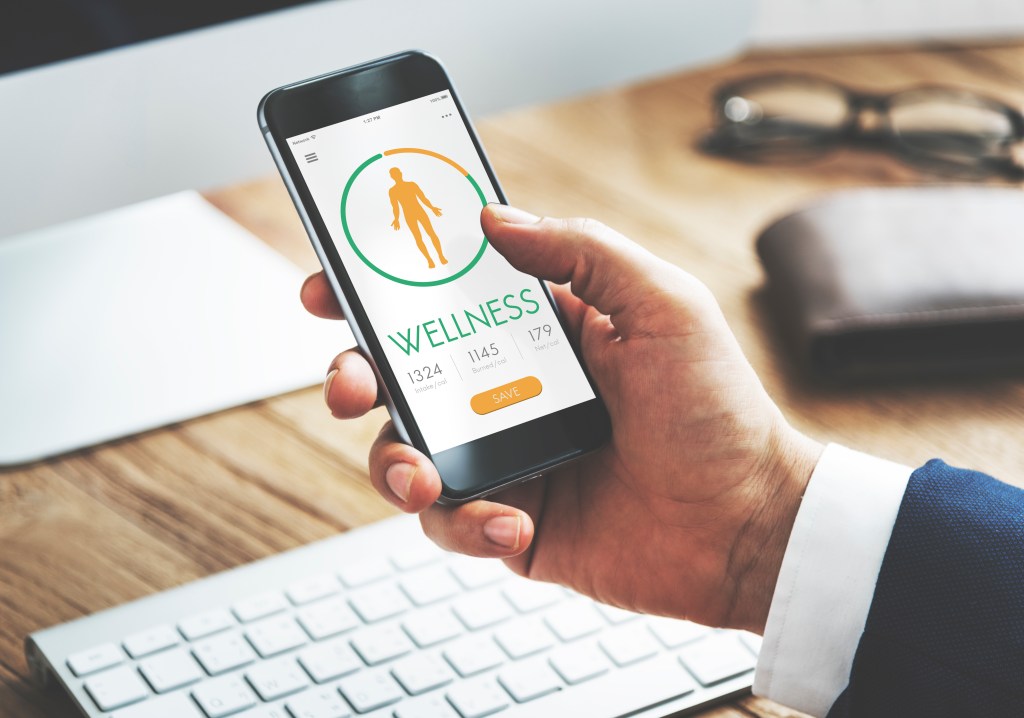
Telemedicine is redefining how healthcare services are delivered, allowing patients to consult with doctors and healthcare professionals remotely through digital platforms. In a fast-paced world where convenience is paramount, telemedicine bridges the gap between quality healthcare and accessibility. Dubai, with its progressive approach toward innovation and technology, has emerged as a hotspot for telemedicine software development in Dubai and advanced telemedicine app development services.
What is Telemedicine App Development?
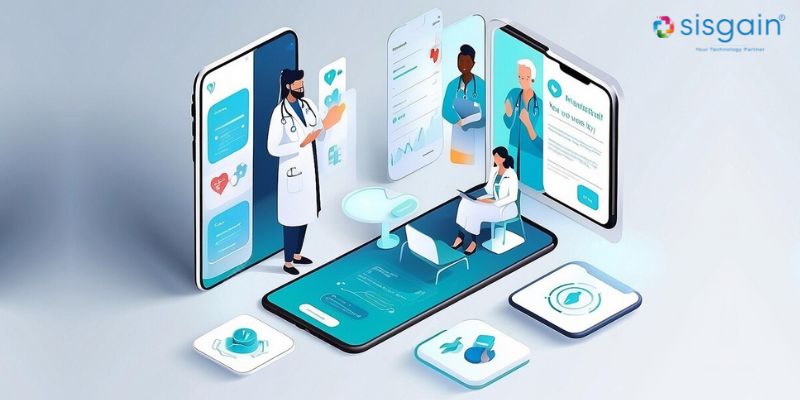
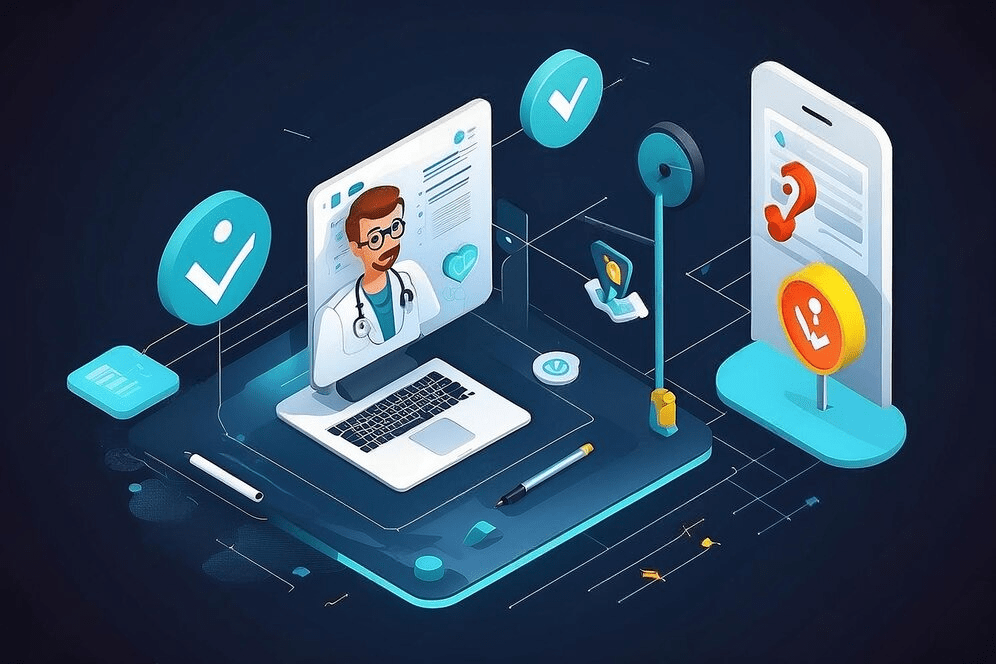
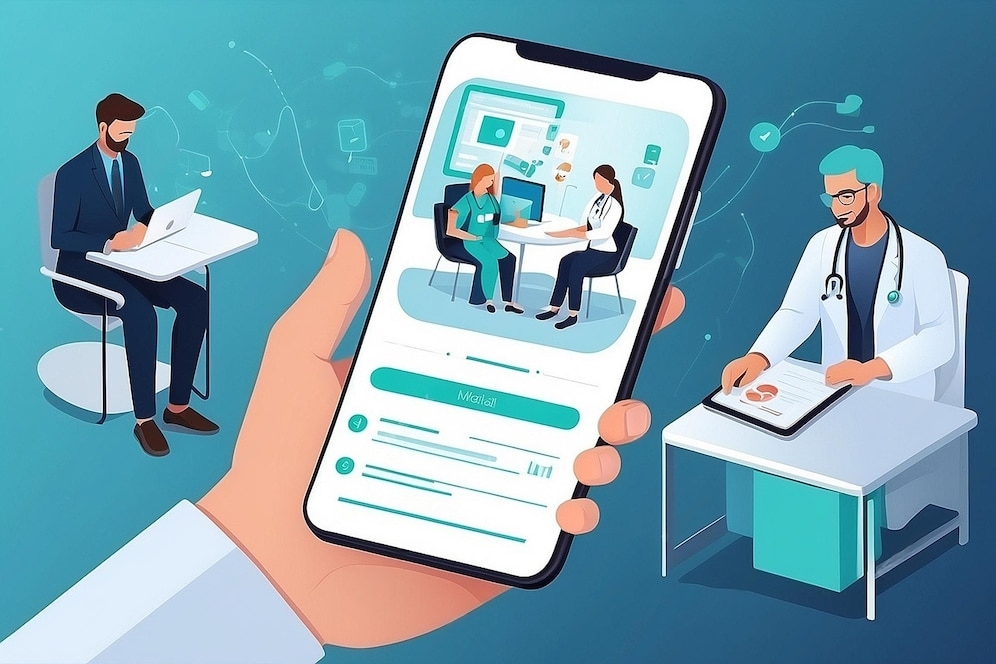
Telemedicine app development involves creating mobile applications that enable remote healthcare consultations and services. These apps facilitate virtual interactions between healthcare providers and patients, often through video conferencing, messaging, and file sharing.
By leveraging advanced technologies, telemedicine apps bridge geographical distances, making healthcare more accessible and convenient. Telemedicine app development services and telemedicine software development in Dubai are rapidly growing, driven by the increasing demand for remote healthcare solutions and the region’s focus on technological innovation.
Evolution of Telemedicine Technology
Telemedicine has evolved significantly over the years, from simple phone consultations to sophisticated video conferencing and remote monitoring systems. Early forms of telemedicine involved transmitting medical images and records via telephone lines. As technology advanced, video conferencing became a cornerstone of telemedicine, enabling real-time consultations between healthcare providers and patients. With the rise of smartphones and wearable devices, mobile health (mHealth) applications emerged, allowing for remote patient monitoring and data sharing. Today, telemedicine continues to advance, with the integration of artificial intelligence, virtual reality, and other cutting-edge technologies promising to revolutionize healthcare delivery.
Why Telemedicine is Gaining Traction in Dubai
Dubai, a global hub for innovation and technology, is witnessing a surge in the adoption of telemedicine. Several factors contribute to its growing popularity:
- Government Support: The Dubai government has been proactive in promoting digital health initiatives, including telemedicine.
- Rapid Technological Advancements: The rapid advancements in technology, such as high-speed internet and mobile devices, have facilitated the widespread use of telemedicine.
- Diverse Population: Dubai’s diverse population, including expatriates from various countries, benefits from the convenience and accessibility of telemedicine.
- High Cost of Healthcare: Telemedicine can help reduce healthcare costs by minimizing the need for in-person visits.
- COVID-19 Pandemic: The pandemic accelerated the adoption of telemedicine as people sought remote healthcare services to minimize exposure to the virus.
How Telemedicine Apps are Transforming Healthcare
Telemedicine apps are revolutionizing the way healthcare is delivered, offering numerous benefits for both patients and healthcare providers. These apps enable remote consultations, allowing patients to connect with healthcare professionals from the comfort of their homes. By eliminating geographical barriers, telemedicine apps improve access to healthcare, especially for individuals in rural or underserved areas. Additionally, these apps can reduce healthcare costs by minimizing the need for in-person visits.
Telemedicine apps also enhance patient engagement by providing tools for tracking health metrics, scheduling appointments, and receiving reminders. They enable healthcare providers to monitor patients remotely, identify potential health issues early on, and intervene promptly. By leveraging telemedicine software development in Dubai, healthcare organizations can create innovative and user-friendly telemedicine apps that improve patient outcomes and streamline healthcare delivery.
Furthermore, telemedicine apps facilitate data-driven decision-making by collecting valuable patient data, which can be analyzed to improve treatment plans and outcomes. As technology continues to advance, telemedicine apps are poised to play an increasingly significant role in transforming the healthcare landscape, making it more accessible, efficient, and patient-centered.
Key Features of Telemedicine Apps
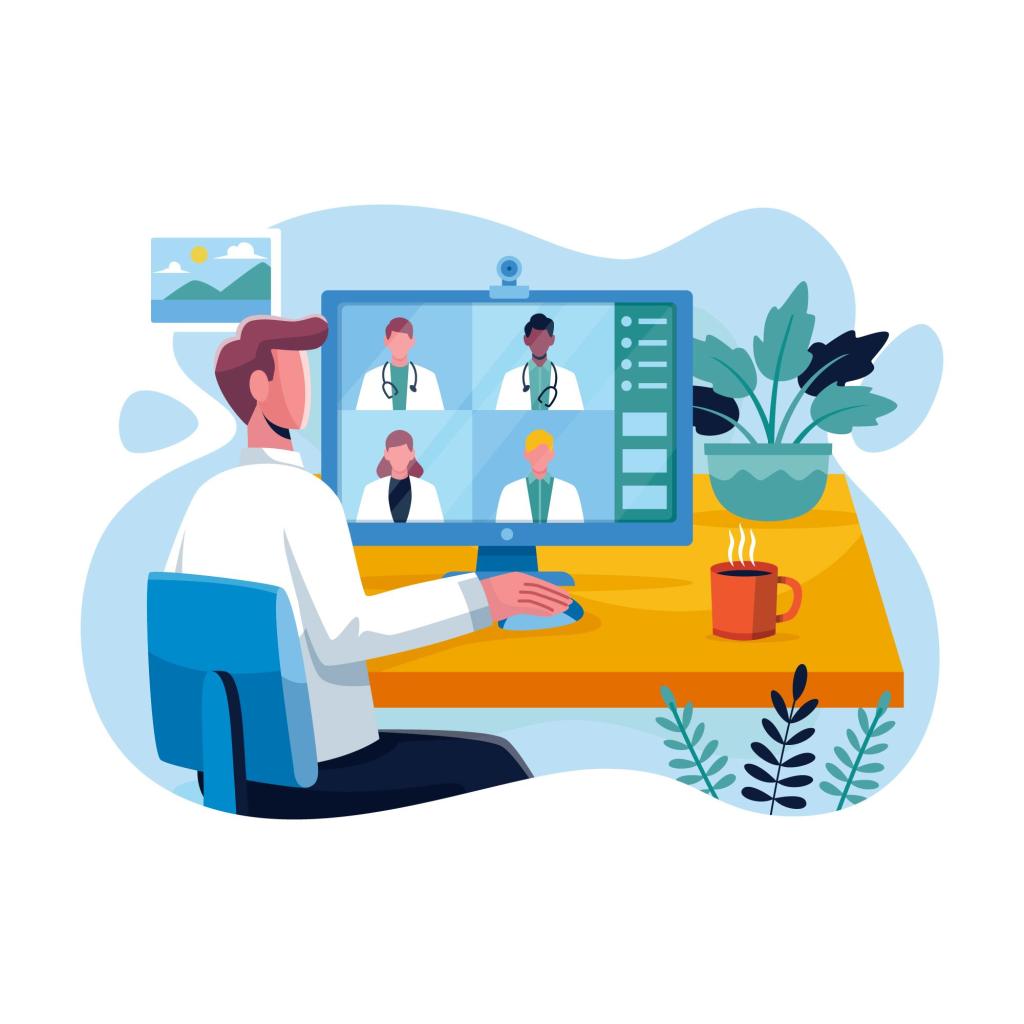
- Real-Time Communication Tools
Video calls, voice calls, and chat functionalities enable effective doctor-patient interaction, allowing accurate diagnoses and personalized care.
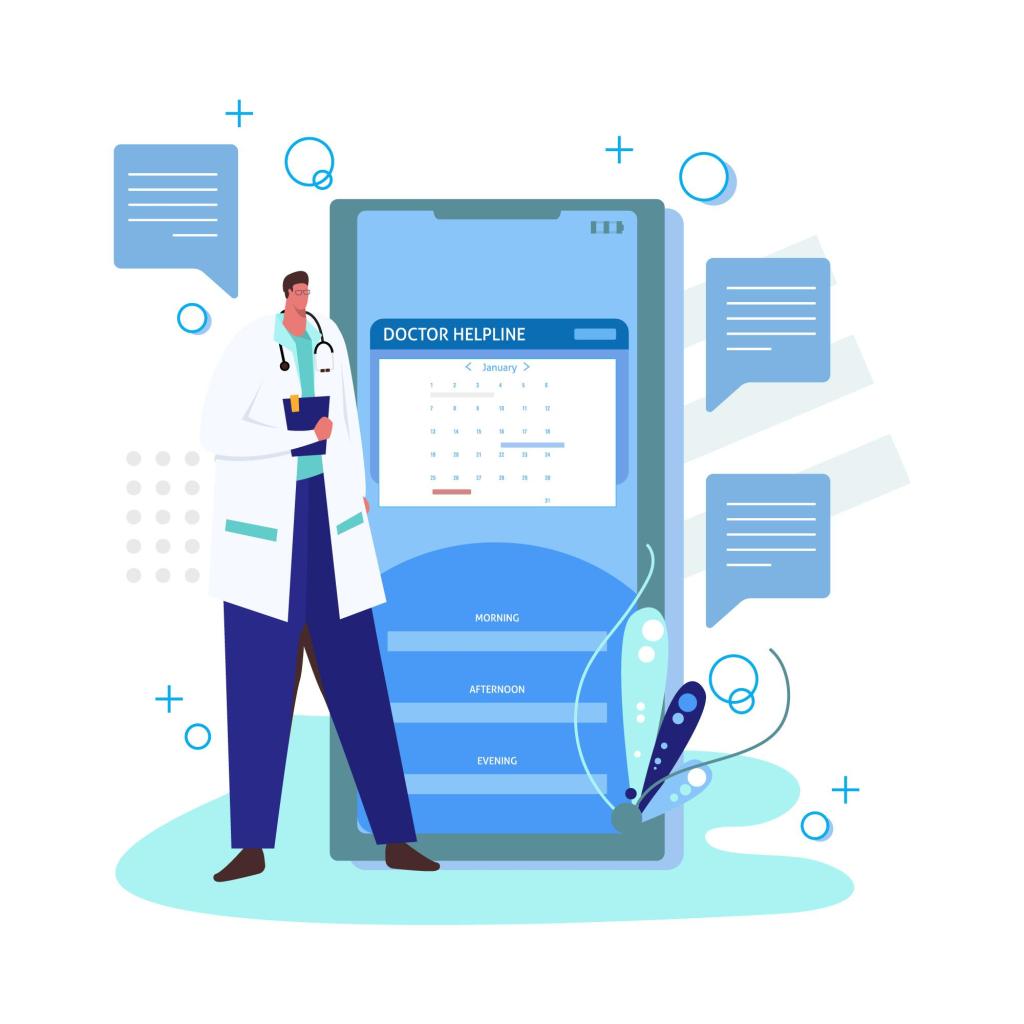
- Appointment Scheduling and Calendar Integration
Patients can book, reschedule, or cancel appointments with ease. Integration with calendars ensures reminders and timely consultations.
- E-Prescription and Medication Management
Doctors can issue prescriptions digitally, which patients can share with pharmacies. This streamlines medication management and eliminates paperwork.
- Patient and Doctor Profiles
Comprehensive profiles with medical history, qualifications, and specializations enhance transparency and help patients make informed decisions.
- Secure Data Encryption and Compliance
Ensuring patient data privacy through advanced encryption and compliance with regulations like the UAE PDPL is essential for user trust and legal adherence.
Benefits of Telemedicine App Development Services
Telemedicine app development services offer numerous advantages for both healthcare providers and patients. Here are some key benefits:
For Healthcare Providers:
- Improved Efficiency: Streamlines patient consultations, reducing administrative overhead, and increasing productivity.
- Expanded Reach: Enables healthcare providers to reach a wider patient base, especially in remote areas.
- Enhanced Patient Engagement: Fosters better communication and collaboration with patients.
- Data-Driven Insights: Collects valuable patient data for analysis and improved treatment plans.
- Cost Reduction: Reduces operational costs associated with physical infrastructure and staffing.
For Patients:
- Increased Accessibility: Provides convenient access to healthcare services, especially for those with mobility limitations or busy schedules.
- Reduced Wait Times: Minimizes waiting times for appointments and consultations.
- Improved Patient Experience: Offers a personalized and convenient healthcare experience.
- Enhanced Health Outcomes: Facilitates timely diagnosis and treatment, leading to better health outcomes.
- Reduced Healthcare Costs: Reduces travel expenses and time off work.
Types of Telemedicine Apps
1. General Telehealth Apps:
- Designed for a wide range of healthcare needs, including primary care, specialist consultations, and mental health services.
- Offer features like video conferencing, secure messaging, and electronic health records.
2. Specialty-Specific Telehealth Apps:
- Focused on specific medical specialties such as dermatology, psychiatry, or cardiology.
- Provide specialized tools and resources for diagnosis and treatment.
3. Remote Patient Monitoring (RPM) Apps:
- Used to monitor patients’ health conditions from a distance, typically for chronic diseases like diabetes, heart disease, or respiratory conditions.
- Collect data from wearable devices and send alerts to healthcare providers if necessary.
4. Mental Health Telehealth Apps:
- Designed to provide mental health services, including therapy sessions, counseling, and medication management.
- Offer features like secure messaging, video conferencing, and mindfulness exercises.
5. Chronic Disease Management Apps:
- Help patients manage chronic conditions like diabetes, hypertension, or asthma.
- Provide tools for tracking symptoms, medication adherence, and lifestyle factors.
Steps in Telemedicine Software Development
Developing a robust telemedicine software development in Dubai solution involves several key steps:
1. Requirement Gathering and Analysis:
- Identify core features: Determine essential features like video conferencing, secure messaging, and electronic health records.
- Compliance considerations: Understand and adhere to HIPAA, GDPR, and other relevant regulations.
- User experience: Prioritize user-friendliness for both patients and healthcare providers.
2. Design and Prototyping:
- User interface (UI) design: Create intuitive and visually appealing interfaces for both web and mobile platforms.
- User experience (UX) design: Optimize the user journey to ensure seamless interactions.
- Wireframing and prototyping: Develop visual representations of the app’s layout and functionality.
3. Development and Integration:
- Front-end development: Build user interfaces using technologies like React, Angular, or Vue.js.
- Back-end development: Develop server-side logic using Node.js, Python (Django or Flask), or Ruby on Rails.
- Database integration: Implement a robust database (e.g., MongoDB, PostgreSQL) to store patient data securely.
- API integration: Integrate with third-party APIs for features like payment processing, SMS notifications, and electronic health records.
4. Security and Compliance:
- Data encryption: Implement strong encryption techniques to protect sensitive patient data.
- Secure authentication: Use robust authentication methods like two-factor authentication.
- Compliance with regulations: Adhere to HIPAA, GDPR, and other relevant data privacy laws.
- Regular security audits: Conduct regular security assessments to identify and address vulnerabilities.
5. Testing and Quality Assurance:
- Unit testing: Test individual components of the software.
- Integration testing: Test how different components interact with each other.
- User acceptance testing (UAT): Involve real users to test the app’s usability and functionality.
6. Deployment and Launch:
- Choose a deployment platform: Select a suitable platform like AWS, Azure, or Google Cloud.
- Deploy the app: Deploy the app to the chosen platform.
- Launch and marketing: Launch the app and promote it through various channels.
7. Maintenance and Support:
- Regular updates: Release updates to fix bugs, improve performance, and add new features.
- Technical support: Provide technical support to users through various channels.
- Monitor performance: Track app usage and performance metrics to identify areas for improvement.
Conclusion
Telemedicine app development is revolutionizing the healthcare industry in Dubai, making it more accessible, efficient, and patient-centric. As the demand for telemedicine software development in Dubai and telemedicine app development services grows, businesses and healthcare providers must seize this opportunity to invest in innovative, secure, and scalable solutions.
With advancements in AI, wearable tech, and blockchain, the future of telemedicine looks brighter than ever. By addressing challenges like data security and compliance, developers can create cutting-edge apps that meet Dubai’s evolving healthcare needs.
 Telemedicine App Development
Leave a comment